Your vehicle’s water pump is one of the most important components of the cooling system. Its job is to circulate coolant throughout the engine and radiator, preventing dangerous overheating. When the water pump begins to fail, your engine can quickly overheat, leading to expensive repairs like a blown head gasket or even complete engine failure.
If you’re wondering, «How do I know if my water pump is failing?», there are several warning signs you should never ignore. Catching the problem early can save you thousands of dollars in engine repairs and keep your car running reliably.
Here’s everything you need to know about the signs of a failing water pump, what causes it to fail, and how to prevent overheating.
What Does a Water Pump Do?
The water pump continuously circulates coolant between the engine and the radiator.
As the engine generates heat, coolant absorbs that heat and carries it to the radiator, where it cools before circulating again. Without a properly functioning water pump, coolant cannot move efficiently, causing engine temperatures to rise rapidly.
Because the water pump works every time your engine is running, it naturally wears over time.
7 Clear Signs of a Failing Water Pump
Recognizing these symptoms early can help prevent major engine damage.
1. Engine Overheating
The most obvious sign of a failing water pump is an overheating engine.
If the pump cannot circulate coolant properly, heat builds up quickly inside the engine.
Common symptoms include:
- Temperature gauge rising above normal
- Engine overheating in traffic
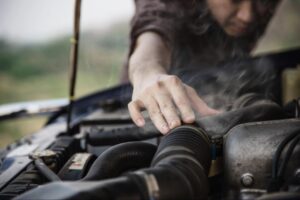
- Steam coming from under the hood
- Dashboard temperature warning light
Never continue driving an overheating vehicle, as severe engine damage can occur within minutes.
2. Coolant Leaking Under the Vehicle
Water pumps contain seals and gaskets that wear out over time.
As these seals deteriorate, coolant may begin leaking from the pump.
Look for:
- Green, orange, pink, or blue coolant beneath the engine
- Wet areas around the water pump
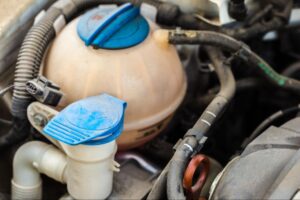
- Low coolant level in the reservoir
- Sweet smell after parking
Even a small coolant leak should be inspected before it worsens.
3. Whining or Grinding Noise From the Engine
A worn water pump bearing often produces unusual noises while the engine is running.
Common sounds include:
- High-pitched whining
- Grinding
- Squealing
- Chirping from the front of the engine
These noises usually become louder as the bearing continues to wear.
Ignoring them can eventually lead to complete water pump failure.
4. Steam Coming From Under the Hood
If coolant stops circulating properly, engine temperatures may rise high enough to produce steam.
Steam coming from beneath the hood usually indicates severe overheating and should be treated as an emergency.
If this happens:
- Pull over safely.
- Turn off the engine.
- Allow the engine to cool completely.
- Never remove the radiator cap while the engine is hot.
Driving further can cause catastrophic engine damage.
5. Low Coolant Level Without an Obvious Leak
If you’re constantly adding coolant but can’t find a visible leak, the water pump may be allowing coolant to escape through a failing internal seal.
Repeated coolant loss should never be ignored.
A professional cooling system pressure test can often identify hidden leaks before major damage occurs.
6. Rust or Corrosion Around the Water Pump
Over time, coolant leaks and moisture can create corrosion on the outside of the water pump.
Inspect for:
- Rust deposits
- White mineral buildup
- Corrosion around the pulley
- Coolant residue
Visible corrosion often indicates that the pump is nearing the end of its service life.
7. Loose or Wobbling Water Pump Pulley
The water pump pulley should rotate smoothly without excessive movement.
If the pulley begins wobbling, the internal bearing may be failing.
A loose pulley can eventually cause:
- Drive belt damage
- Belt squealing
- Complete water pump failure
- Loss of coolant circulation
This issue should be repaired immediately to prevent additional engine damage.
What Causes a Water Pump to Fail?
Water pumps naturally wear over time, but several factors can accelerate failure.
Common causes include:
- Normal bearing wear
- Old or contaminated coolant
- Coolant leaks
- Worn drive belts
- Corrosion
- Engine overheating
- Improper coolant mixture
- Lack of cooling system maintenance
Regular cooling system service helps maximize water pump lifespan.
Is It Safe to Drive With a Failing Water Pump?
No.
A failing water pump can stop circulating coolant at any time, causing rapid engine overheating.
Continuing to drive may result in:
- Blown head gasket
- Warped cylinder head
- Damaged pistons
- Engine seizure
- Complete engine failure
If you suspect a water pump problem, have your vehicle inspected as soon as possible.
How Mechanics Diagnose Water Pump Problems
A professional cooling system inspection typically includes checking:
- Coolant level and condition
- Water pump leaks
- Water pump bearing play
- Pulley condition
- Drive belt condition
- Cooling system pressure
- Radiator operation
- Thermostat function
- Engine operating temperature
These inspections help determine whether the water pump is failing or if another cooling system component is responsible.
How to Prevent Water Pump Failure
Routine cooling system maintenance is the best way to extend water pump life.
Follow these preventive maintenance tips:
- Replace coolant according to your manufacturer’s maintenance schedule.
- Use the correct coolant type specified for your vehicle.
- Repair coolant leaks immediately.
- Replace worn drive belts promptly.
- Inspect the cooling system during routine maintenance.
- Never ignore signs of engine overheating.
- Check coolant levels regularly.
Proper maintenance can significantly extend the life of both your water pump and your engine.
Frequently Asked Questions
How long does a water pump usually last?
Most water pumps last between 60,000 and 100,000 miles, although lifespan varies depending on driving conditions, maintenance, and vehicle design.
Can a bad water pump cause overheating?
Yes. A failing water pump cannot circulate coolant effectively, making engine overheating one of its most common symptoms.
What does a failing water pump sound like?
Many failing water pumps produce a whining, grinding, squealing, or chirping noise caused by worn internal bearings.
Can I drive with a leaking water pump?
It’s not recommended. Even a small coolant leak can quickly worsen and lead to severe overheating and expensive engine damage.
Should the water pump be replaced with the timing belt?
On many vehicles, yes. If the water pump is driven by the timing belt, replacing both components at the same time is often recommended because much of the labor overlaps, reducing future repair costs.
Recognizing the signs of a failing water pump can help you prevent severe engine overheating and avoid costly repairs. Whether you notice coolant leaks, unusual noises, steam under the hood, or rising engine temperatures, addressing the problem early protects your cooling system and extends the life of your engine. Routine cooling system maintenance and regular inspections remain the best way to keep your vehicle running reliably in Miami’s demanding driving conditions.
At Express Auto Care, drivers can access fast, professional automotive maintenance and repair services designed to help keep vehicles performing efficiently. Their service offerings include oil changes, brake replacement, transmission service, radiator flushes, serpentine belt inspections, A/C service, fuel system cleaning, and more.
Taking care of your vehicle today can help you avoid unexpected breakdowns tomorrow.